Discover the Fascinating Origins of Indian Cuisine: A Journey Through Indian Food History

Indian cuisine is a vibrant tapestry woven with centuries of tradition, culture, and innovation. Every bite tells a story, every spice whispers secrets of ancient times. If you’ve ever wondered how this incredible culinary heritage came to be, you’re in for a treat! Let’s embark on a delicious journey through Indian food history and uncover the roots of one of the world’s most beloved cuisines.
The Ancient Roots of Indian Food History
Indian cuisine’s story begins thousands of years ago, in the cradle of civilization itself. The Indus Valley Civilization, dating back to 2500 BCE, laid the foundation for agricultural practices that shaped the food culture. Archaeological finds reveal evidence of wheat, barley, and legumes being cultivated, along with spices like turmeric and mustard seeds.
What’s truly fascinating is how food was not just sustenance but a reflection of life and spirituality. The ancient texts, including the Vedas, mention food as an offering to gods and a means to maintain balance in the body and mind. Ayurveda, the ancient Indian science of life, also played a crucial role in shaping dietary habits, emphasizing the harmony of taste, health, and digestion.
Imagine the bustling markets of ancient cities, filled with the aroma of fresh herbs and spices, the clatter of clay pots, and the vibrant colors of fresh produce. This was the beginning of a culinary journey that would evolve and flourish over millennia.

How Trade and Foreign Influence changed Indian Cuisine
Indian cuisine is a living mosaic, constantly evolving with influences from traders, invaders, and settlers. The spice trade was a game-changer! Indian spices like black pepper, cardamom, and cinnamon were highly prized commodities that attracted traders from the Middle East, Europe, and beyond.
The arrival of the Mughals in the 16th century brought a royal touch to Indian food history. Mughal cuisine introduced rich gravies, biryanis, and kebabs, blending Persian techniques with Indian ingredients. This fusion created some of the most iconic dishes we cherish today.
Similarly, Portuguese explorers introduced ingredients like potatoes, tomatoes, and chilies, which are now staples in Indian kitchens. The British colonial period also left its mark, popularizing tea and certain baking techniques.
This dynamic exchange of ideas and ingredients turned Indian cuisine into a global phenomenon, celebrated for its diversity and depth.

The Regional Diversity That Defines Indian Cuisine
One of the most exciting aspects of Indian food history is its incredible regional diversity. From the fiery curries of Tamil Nadu to the rich, creamy dishes of Punjab, each region tells its own story through food.
In the south, rice and coconut dominate, with dishes like dosa and sambar offering a perfect balance of flavors. The east is famous for its sweets like rasgulla and the use of mustard oil in cooking. The west boasts a variety of vegetarian delights, while the north is known for its tandoori breads and hearty meat dishes.
This regional variety is a testament to India’s vast geography, climate, and cultural influences. It’s like a culinary map where every state offers a unique taste adventure!
If you want to dive deeper into these fascinating stories, the food itihaas blog is a fantastic resource that explores the rich history and cultural significance of food in India and beyond.
The Role of Spices: The Heartbeat of Indian Cuisine
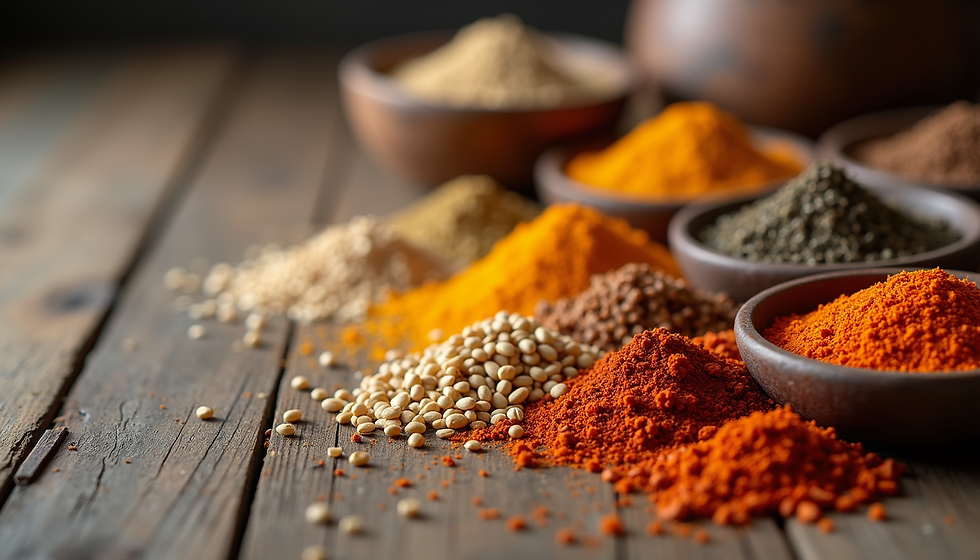
No discussion of Indian food history is complete without celebrating the magic of spices. Indian cooking is often described as a symphony of spices, each playing its part to create harmony on the palate.
Spices like cumin, coriander, turmeric, and asafoetida are not just flavor enhancers but also have medicinal properties. The ancient wisdom of Ayurveda recognized these benefits, using spices to balance the body’s doshas and promote health.
The art of blending spices into masalas (spice mixes) is a skill passed down through generations. Whether it’s garam masala, chaat masala, or sambar powder, these blends add depth and character to dishes.
Next time you sprinkle some cumin or grind fresh cardamom, remember you’re connecting with a tradition that’s thousands of years old!
Celebrating Indian Food History in Your Kitchen
Now that you’ve traveled through time and tasted the stories behind Indian cuisine, why not bring a piece of this rich heritage into your own kitchen? Here are some simple ways to celebrate Indian food history at home:
Start with the basics - Experiment with essential spices like turmeric, cumin, and coriander. Learn how to toast and grind them for fresh masalas.
Try regional recipes - Pick a region and explore its signature dishes. For example, try making a South Indian dosa or a Punjabi butter chicken.
Use traditional cooking methods - If possible, cook on a tawa (griddle) or use a clay pot to get authentic flavors.
Pair food with stories - Share the history behind the dishes with your family and friends. It makes the meal more meaningful and fun!
Explore food history blogs - Follow blogs like the food itihaas blog to keep discovering new recipes and stories.
Indian cuisine is not just food; it’s a celebration of life, culture, and history. Every meal is an invitation to connect with the past and savor the present.
Indian food history is a treasure trove waiting to be explored. From ancient grains to royal kitchens, from bustling spice markets to humble home-cooked meals, the story of Indian cuisine is as rich and diverse as the country itself. So, grab your spices, roll up your sleeves, and dive into this delicious adventure. Your taste buds will thank you!


Comments